
El Niño Is Already Here: Somalia Needs Early and Collective Action
Author
IRIS Research Center
El Niño Is Already Here: Somalia Needs Early and Collective Action
IRIS Institute previously published a commentary, Strengthening Community Engagement for El Niño Awareness and Preparedness in Puntland, which aimed to amplify community voices and raise awareness and preparedness. Recent developments show how urgent that call has become.
The impacts have begun
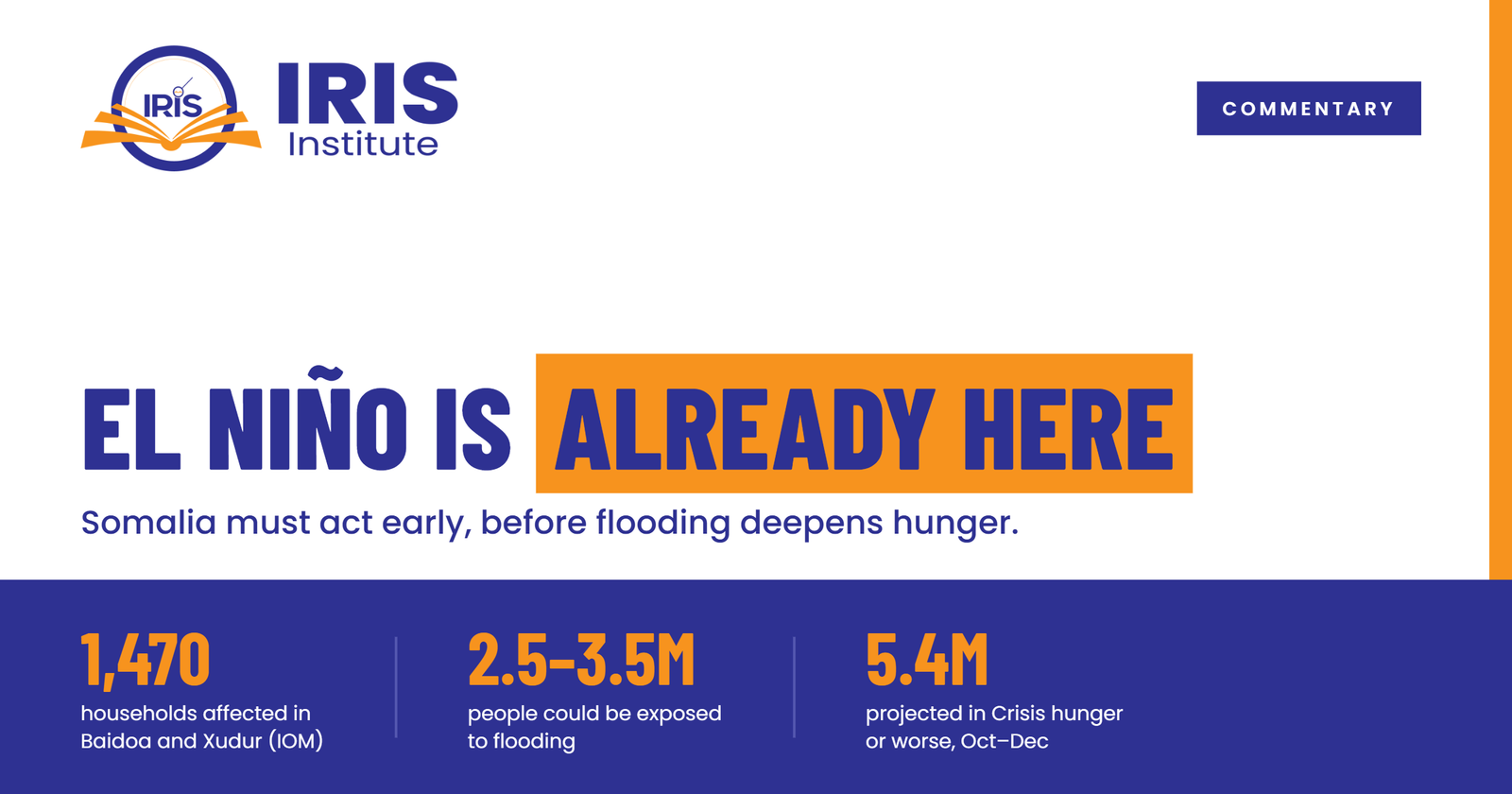
IOM reports that rainfall and flooding have affected Baidoa and Xudur districts. Assessments show 1,470 households affected, 470 shelters damaged or destroyed, and 28 latrines damaged or flooded. No deaths or injuries were reported in the monitored locations, but families are left without proper shelter and sanitation.
In Puntland, the Emergency Operation Center (PEOC) and the Ministry of Humanitarian Affairs and Disaster Management (MoHADM) visited Nugal and Mudug, including Burtinle, Galdogob, Gaalkacyo and nearby villages. Lives were lost and buildings destroyed.
A stronger season is forecast
WFP's analysis says a very strong El Niño is likely for late 2026, comparable to or worse than the 2023 and 1997 seasons, Somalia's worst flood benchmarks. The Indian Ocean Dipole, a second driver of heavy Deyr rains, is near its positive threshold and likely to tip over. The GHACOF74 outlook confirms a wetter-than-normal Deyr, with a more than 90% likelihood of exceeding 400 mm in parts of central-southern Somalia. Forecasts show the season will be wet, but not yet how severe. WMO adds that the El Niño could exceed four decades of monitoring charts, with impacts into 2027.
Flooding on top of drought
Somalia's disaster authorities estimate that 2.5 to 3.5 million people could be exposed to flooding, and up to 1 million could be displaced. In 2023, 1.2 million people were displaced. According to CARE, 5.4 million people are projected to face Crisis levels of hunger or worse between October and December, and nearly 1.5 million may reach Emergency. About 26,000 displaced people in Baidoa are projected to reach Catastrophe, and the IPC warns of a famine risk for displaced communities by the end of 2026 in a worst-case scenario.
Flooding also raises the risk of cholera, measles and diphtheria. Nearly 1.92 million children under five will need malnutrition treatment between July 2026 and June 2027, yet more than 230 nutrition centers have closed because of funding cuts.
The way forward
Early warnings only work if communities can act on them. In 2023, forecasts triggered early cash assistance and pre-positioned supplies. This year, Somalia needs flexible funding, support for local and community-led organizations, safe humanitarian access, and strong coordination between different stakeholders and partners. Once roads are cut off, help becomes far harder to deliver. The time to act is now, before disaster is declared.
Topics & Regions
Related Analysis
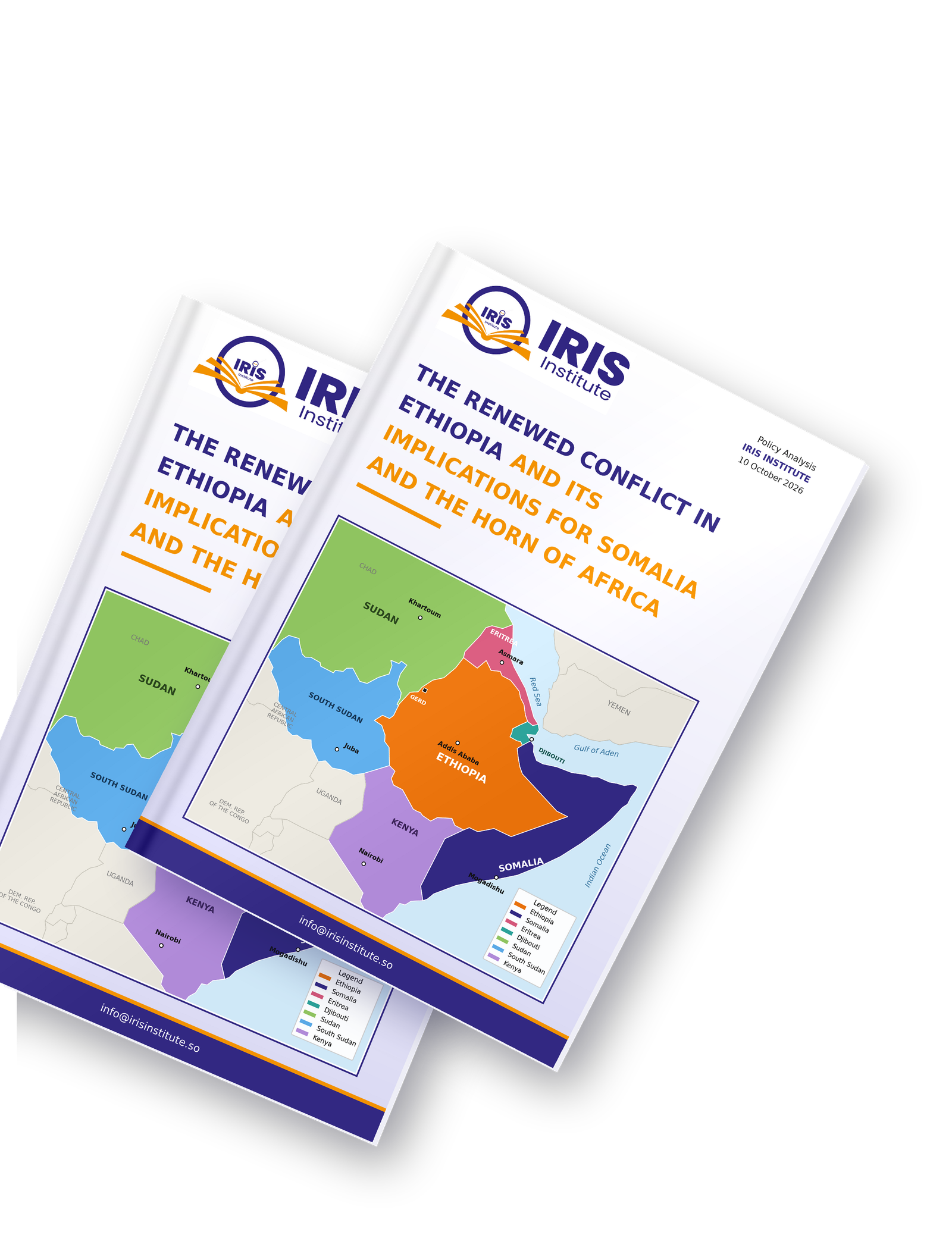
THE RENEWED CONFLICT IN ETHIOPIA AND ITS IMPLICATIONS FOR SOMALIA AND THE HORN) OF AFRICA
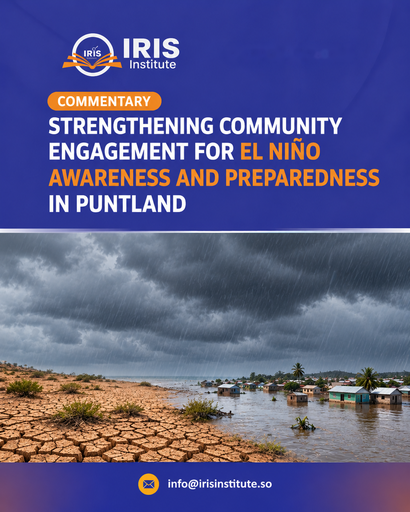
Strengthening Community Engagement for El Niño Awareness and Preparedness in Puntland

Dormant, Not Defeated: Why Somali Piracy Is Emerging Again